
Searching for Collectibles (403)
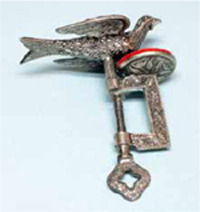
Sometimes, the easiest way to detect reproductions is to ask yourself, Could this product perform the function for which is was designed If you ask that question, you dont need to be an expert on sewing birds to know the piece in Fig. 1 is not authentic.

Since the late 1980s, reproduction manufacturers have used fish bones as an ivory substitute. Larger bones are carved; smaller bones are ground up and cast in molds. Bones of fish and other animals water buffalo, cattle, etc. are attractive to reproduction manufacturers because all bone looks very similar to genuine ivory under black light.
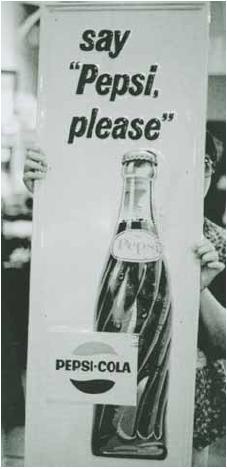
This metal 46 X 17 Pepsi sign is marked Stout Sign Co, St. Louis, MO and dated 1969. John Woods, current president of Stout Sign Co., has called these pieces a blatant fake. Woods based his judgement on a 20 step analysis. The signs in question have four holes die punched along the sides; Woods says Stout signs only have three. The paint on the sign above can be chipped with a fingernail. Paint on original Stout signs is virtually permanent. Some buyers have now come forward saying they purchased similar signs as far back as 1989. Until the issue is settled we suggest you be very careful of this sign.
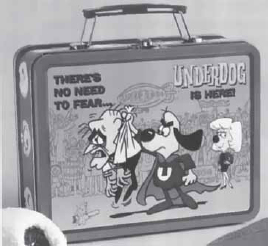
The number of classic metal lunch boxes back in production just keeps growing. Two of the latest victims are the Lost in Space and Underdog. Also, Lone Ranger, Roy Rogers, Howdy Doody and Tom Corbett.
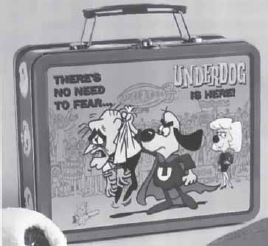
The number of classic metal lunch boxes back in production just keeps growing. Two of the latest victims are the Lost in Space and Underdog. Thermos. Marked United States. Aladdin, Ohio Art, Rom Corbett, Lone Ranger, Roy Rogers,
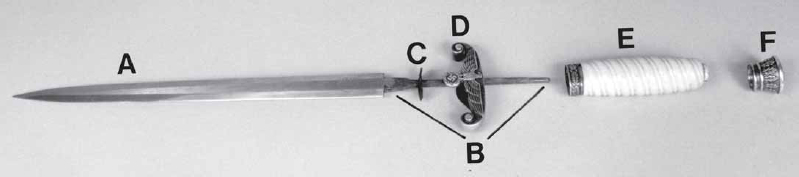
The Pattern 1935 German Army Dress Dagger is one of a series of German daggers from the World War II era. It was adopted May 1935 and ceased production May 1943. By war's end in 1945, these daggers were already being reproduced to sell to souvenir-hunting GI's.
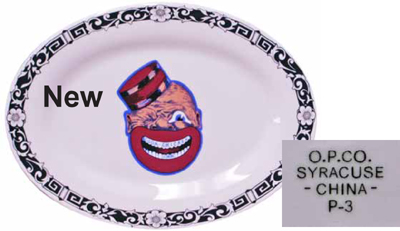
New Coon Chicken Inn decorations are being applied to restaurant china with confusing back stamps. In some cases, the new decorations have been applied to genuinely old objects.
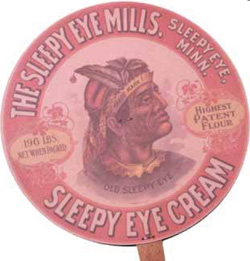
Heres an unusual combination on a cardboard fan: Old Sleepy Eye on the front, Buster Brown and Old Sleepy Eye on the reverse. Of course, no old counterpart to this piece exists; it is a fantasy item created by the marketing department of a reproduction wholesaler.
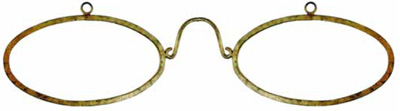
This new frame intended to hold a pair of mirrors is very similar to an antique opticians trade sign. The new frame is about 42 inches left to right. It is finished in a brass tone similar, at least in a photograph, to the appearance of antique metal. If seen online or reading a description alone, the piece might be mistaken for old.